South of Funen
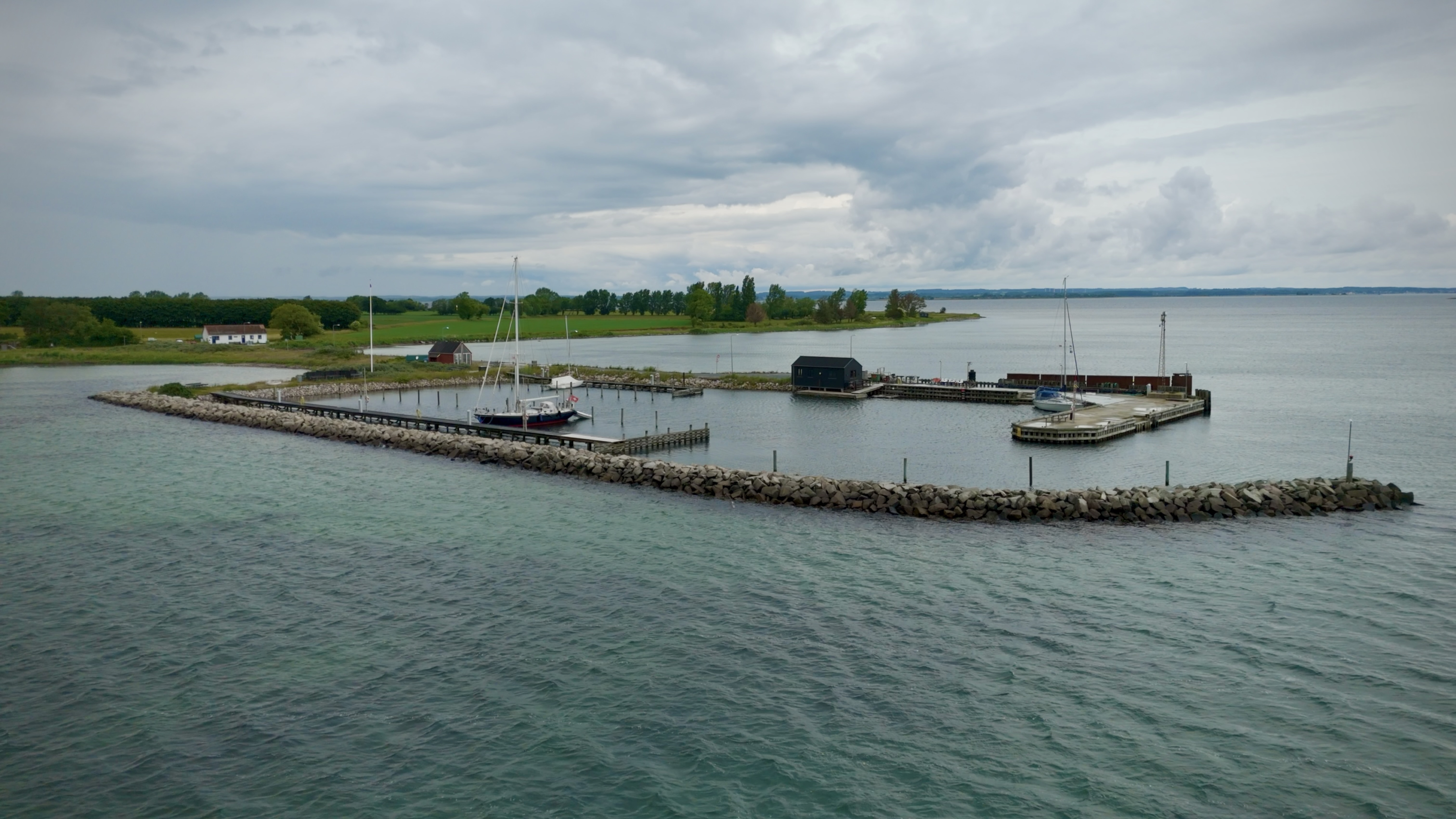
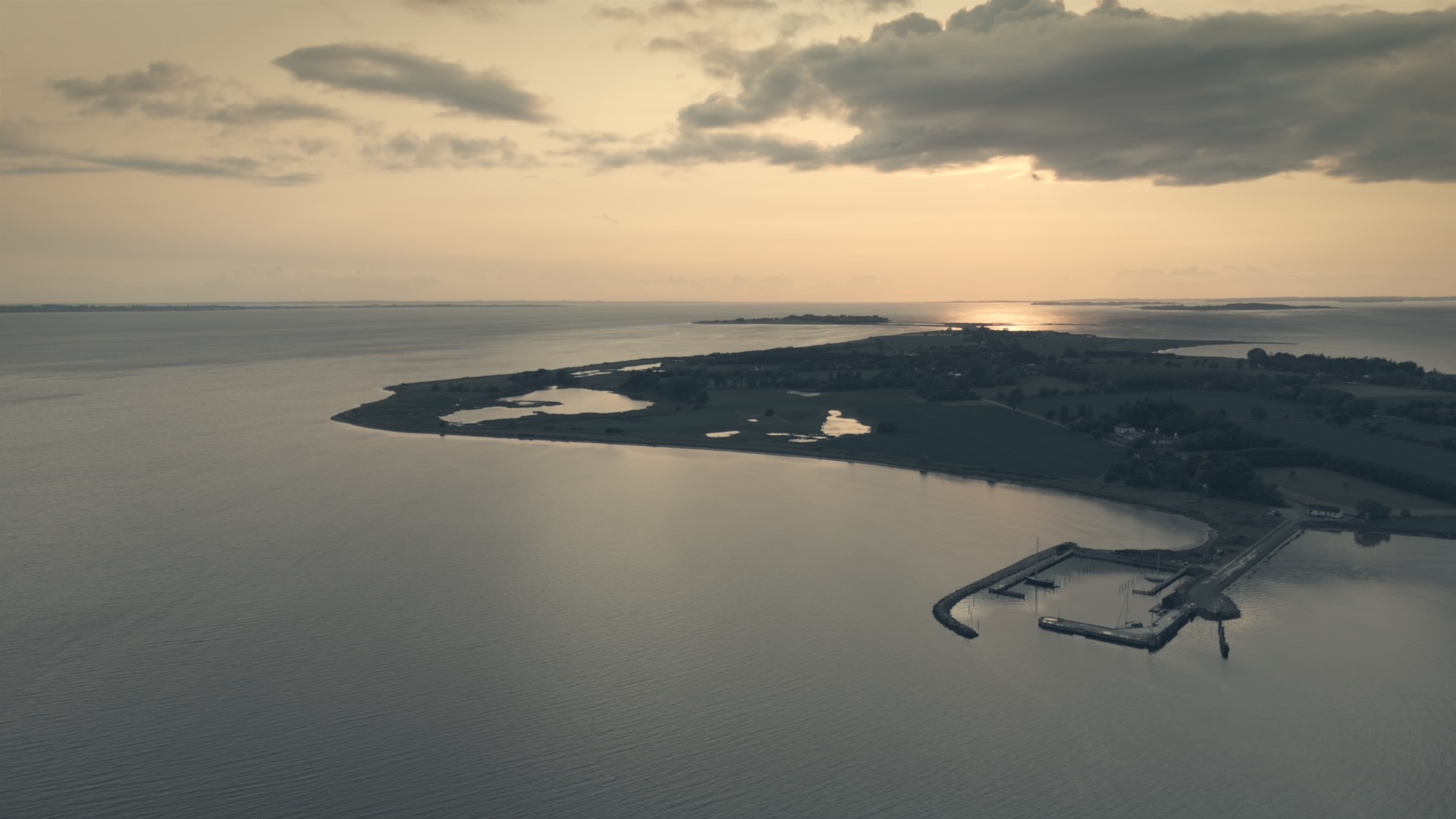
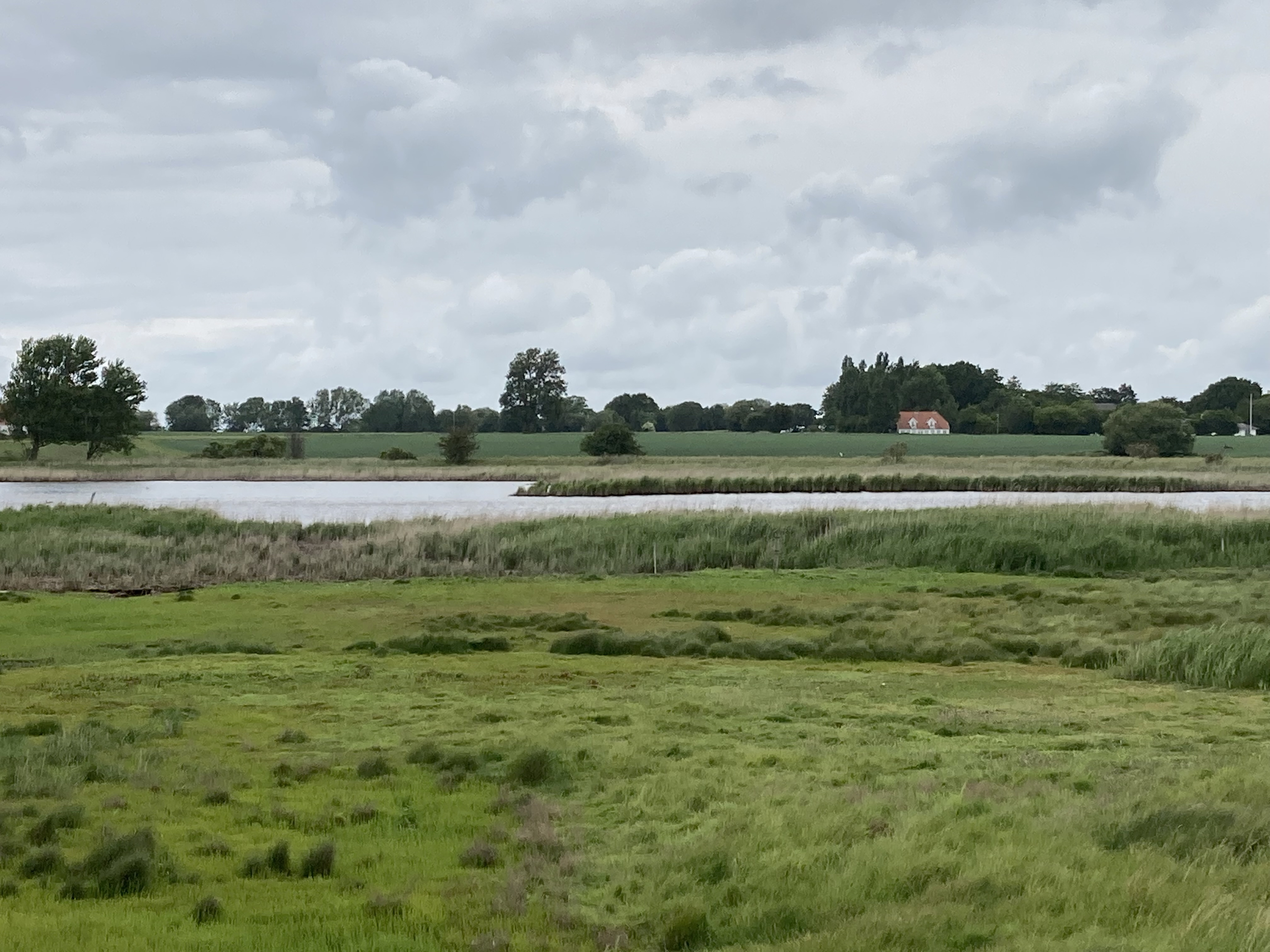
It’s summer and we sail from Friesland over the North Sea into the Baltic, and cruise in the Danish isles south of Funen: Langeland, Strynø, Ærø, Drejø, and Lyø.
Actually, we had planned to further explore the rivers of East England. But the winds had other plans. Forecasts announced serial low-pressure systems coming in with prevailing Southwesterlies. A crossing from Friesland to England against the wind seemed pointless. Only idiots and racers sail upwind.
So the Baltic Sea it was. A night passage along the Frisian islands into river Elbe, crossing the Kiel canal, and enjoying a week of island hopping in the Danish archipelago south of Funen. A chart was bought, and off we went.
Along the Frisian Islands
We left Makkum with the tide, slipping through the lock of Kornwerderzand – leaving what was once the Zuiderzee. In the Golden Age, Dutch ships sailed from here to the North Sea, eastward into the Baltic to the Hanseatic cities of Lübeck, Danzig, and Riga, and the Spice route in the Far East. The winds haven’t changed much. Nor the currents.
Sailing through the lock into the Wadden Sea seems often a bit like a race for a marina space in the Wadden Islands. We briefly stopped in Vlieland, the marina was very busy because of a bank holiday. Vlieland was once the base of famous admirals Tromp and de Ruyter who dominated the seas.
When we started our journey in Vlieland in the early morning, there was a stiff breeze blowing, and undocking wasn’t easy in the tight marina. At the Zeegat between Vlieland and Terschelling, the shallow banks fell away. That’s where our voyage really began. Once through the Stortemelk and outside the Wadden Sea, the North Sea opened and we sailed all night along the Frisian islands.
Finally, we reached river Elbe and began the long approach to the locks of the Kiel canal. Strangely, the tidal stream did not turn as expected and predicted, and we had a foul tide against us for most of the way. Actually, we had planned to sail only to Cuxhaven but we continued upstream the Elbe and passed the lock into the Kiel canal.
Immediately after the lock, there is a small marina surrounded by trees on one side and the locks on the other – steel, red brick construction, huge container shipes from all over the world. Once in the small marina of Brunsbüttel, we settled for the night, tired from the 36-hour passage. After the overnight passage along the Frisian islands and the long Elbe approach, sleep fell so fast and empty of dreams that the night seemed to have rushed by in only a few hours.
The Lock Between Two Waters
When we woke, the sun was already bright. A few espressos later, and after an unhurried walk through the town, we were visited by two cheerful German customs officials. One of the officers shared, with dry amusement, tales of Germans attempting to avoid tax by flying a false Swiss flag. Some of them declare their home port to be Zurich – betraying their lack of knowledge that Basel is the only Swiss port connected to the sea via river Rhine.
We left Brunsbüttel without haste, intending to pause mid-way through the Kiel Canal. Though it can be crossed in a day if the sun permits – as pleasure boats are permitted only in daylight – we chose to stop at the lock where the old River Eider joins the canal. A hundred years before this present waterway was cut, there was an earlier route – a canal running via the Eider, with six locks rather than today’s two. In those days, when the wind failed, teams of horses towed the ships along the banks. Jules Verne and his brother travelled the canal on their steam yacht and enjoyed the idyllic landscape. Today, though greatly altered and expanded, traces of that older canal remain. At the Eider lock, we passed the night, the call of a cuckoo serenading the slow fade of light.
At first light, we cast off. The canal was quieter than expected. Ships passed in muted procession: freighters, sailboats, a French warship. We dipped our flag, but this was only met with studied indifference.
When we finally arrived at the lock in Kiel, there were a half-dozen sailboats waiting for the opening of the lock. Being used to Dutch habits, we entered as the gate opened, only to be greeted by a flurry of whistles and raised arms from a German yacht ahead. The couple within, earnest defenders of lock etiquette, viewed our manoeuvre as a breach of order. We hung back, smiling. The lock was large enough to swallow us all – and many more besides.
In “The Riddle of the Sands”, Erskine Childers described: “We … tumbled down our sails and came to under the colossal gates of the Holtenau lock. That these would open … seemed inconceivable, but open they did, with ponderous majesty and our tiny hull was lost in the womb of a lock designed to float the largest battle ships.” And so it was again. With only a gentle shift of water level beneath us, the gates drew slowly apart, revealing the shining reach of the Baltic. The Kieler Förde lay ahead, bright with wind. Sailboats gybed, daysailors waved, enjoying the wind and sun.
As we reached the lighthouse, a glimpse over the stern revealed a cloud reaching down to the sea: a squall. The sky darkened, abruptly, and the rain came in stinging gusts. Seven Beaufort, as sharp as it was brief. Then just as quickly, sun again.
We crossed the Kieler Bucht to enter the waters of Denmark. After about thirty miles, the Danish isles rose ahead, and we entered the harbour of Bagenkop. Just at the harbour entrance, another squall appeared and made docking difficult – a weather pattern that would repeat in the following days.
We had almost reached our destination – the Danish archipelago south of Funen: a scatter of green islands across a sea of shades of blue.
The Danish Archipelago South of Funen
Our course took us along the low outline of Marstal – a town with centuries of sailing tradition. Marstal’s history is built on shipbuilding, crafting schooners that sailed from the Baltic to distant oceans. Generations of sailors left from here and went around the world.
The day’s weather played a familiar card: bright sun at our departure, a slow thickening of cloud as the islands drew closer, and then – as though timed to the pilotage – a sharp squall at docking in Strynø’s narrow harbour. Docking Coelacanth in crosswinds can be a bit difficult… Her long keel answers the helm like a polite but stubborn aristocratic elderly lady. But in the end, we made fast in a quiet corner of the basin and took a first swim in the cold water of the Baltic.
A front approached, and the rain came with high winds. Our space in the corner of the small harbour was unquiet, but we welcomed the pause and enjoyed the atmosphere of the small island. It was the first time since leaving Friesland that we had lingered more than one night in harbour. The rain ceased, and the wind remained – shaping waves in the meadows of Strynø as much as on the sea. The island itself is small, almost reticent. One modest grocery shop supplied our needs. At the church, a list of pastors since the 16th century fits on just two wooden boards.